How Does Whole-Home Surge Protection Help Protect Your Electronics?
In Fultondale, AL, power can shift fast during summer thunderstorms, winter cold snaps, or grid maintenance. Those quick spikes do not need to be dramatic to harm your devices. A modern whole-home surge protector helps absorb and divert excess voltage before it ripples through your wiring and into your appliances, computers, and entertainment systems. If you want a deeper look at how this works and what it means for your home, you are in the right place. Many homeowners start by learning about our local surge protection service and then decide which level of coverage makes sense for their household.
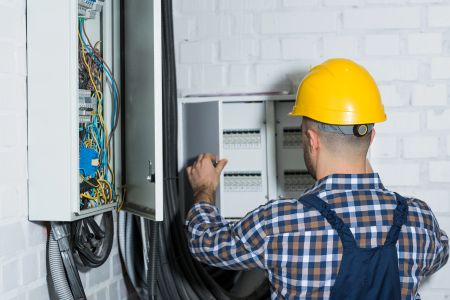
Whole-home solutions live at your main electrical panel, which is where every circuit in your home starts. That central position lets a single device defend many rooms at once. It also makes it easier to pair with other protection steps for sensitive gear like gaming consoles or office equipment. For more basics on whole home surge protection and how it supports your larger electrical safety plan, keep reading.
What Whole-Home Surge Protection Actually Does
Electricity in your home should stay close to a steady level. A surge is a brief jump above the normal range. A whole-home surge protector is designed to sense those jumps quickly and route the extra energy away from your wiring. The device connects to the panel so it can act right where power enters the house. Inside, components clamp down on excess voltage and send it safely to ground. The result is fewer damaging spikes reaching your outlets in the first place.
Think of it like a goalie in front of your home’s electrical team. Most surges get blocked right at the door. The ones that still sneak through are usually smaller and easier for your devices’ built-in power supplies to handle.
Why Fultondale Homes Face More Power Surges
Fultondale and the neighboring communities around Jefferson County see a lot of quick weather shifts. Afternoon heat can build pop-up storms. Lightning activity in the region can be frequent in warm months, and strong winds sometimes cause brief outages or utility switching. When the power blinks off and back on, the return of service can include a sudden spike. Add in large appliances cycling on and off, and you have a recipe for regular small surges inside many homes.
Areas near Black Creek Park, along Highway 31, and in pockets close to new construction can also experience temporary fluctuations as equipment starts up or as crews work on lines. Even if you do not notice these events, your electronics can feel them over time.
What It Protects Inside Your House
Any device with a circuit board is sensitive to voltage spikes. That means your flat-screen TVs, gaming systems, smart fridges, washers, and even garage door openers. Home offices in Fultondale have grown, and so has the number of desktop PCs, laptops, and modems that need steady power. HVAC systems and heat pumps also contain control boards that are expensive to replace. A whole-home protector helps reduce the stress on all of these items day after day, not just during a major storm.
Sensitive devices deserve the highest level of protection. Many homeowners choose a layered approach: the panel unit handles big surges and everyday blips, while a quality point-of-use protector guards the few items that are mission critical to your work or comfort.
How Surges Enter Your Home
Surges can come from outside or be created inside the home. Understanding the sources helps you plan better coverage:
- Nearby lightning or utility switching that causes a spike on service lines.
- Large motors starting, like air conditioners or well pumps, can create internal surges.
- Power returning after an outage, especially when many homes come back online at once.
- Shared services like cable or internet lines that ride into your home alongside power.
When these events happen, the panel-mounted device reacts first. That fast response time lowers the size of the surge that reaches your electronics and helps prevent long-term electrical surge damage that builds up slowly.
Layers Of Protection Work Best
A single device at the panel does a lot, but a layered plan is stronger. Start with the whole-home unit for wide coverage. Then add quality point-of-use protectors for the handful of items you cannot live without, like your home office setup or your theater receiver. Use protectors that list clamping voltage and joule ratings so you know they are built for real events, not just everyday filtering.
Plug-in strips are not the same as surge protection. Many basic power strips only add outlets. Look for models that state surge suppression and include a status light so you can tell if they are still working after a strong event.
Benefits You Will Notice Over Time
The top benefit is peace of mind. When storms roll through Gardendale or across northern Birmingham, and lights flicker in Fultondale, you know your home has a first line of defense. Over time, steady protection can mean fewer surprise failures of devices that seem to “just die” for no clear reason. You may also see fewer tripped breakers caused by momentary spikes.
- Protect home electronics from repeated small hits that shorten their lifespan.
- Keep smart home devices and security systems running more reliably.
- Reduce the chance of data loss on computers and network equipment.
- Support HVAC control boards and major appliances that are costly to replace.
Installation And Maintenance You Can Count On
For best results, have licensed electricians handle your surge protector installation. The device connects to your main panel and must be matched to your home’s service and grounding. A clean, tight connection and proper placement make a big difference in how quickly the unit reacts. If your panel is older or crowded, a pro can recommend safe adjustments so the protector can fit and function correctly.
Superior Service Electric installs and services panel-mounted devices for homes across Fultondale. Many homeowners start a plan that includes assessment, installation, and periodic checks as part of an electrical safety upgrade. If you want to see how a system would fit your panel and wiring, review our approach to surge protector installation and schedule a visit that works around your day.
After any major storm, ask for a quick panel check. It is a smart way to confirm your protection is still active and that no breakers or connections need attention. A short visit helps keep your whole system healthy for the next round of weather.
How To Choose The Right Surge Protection Setup
Homes are different, and so are electrical panels. The right setup depends on several factors that vary by home size, age, and layout. Here are points to review with your electrician:
Match protection to your service size. Larger homes with more heavy-duty appliances often need higher-capacity protection. If you have added a heat pump, EV charger, or workshop equipment, bring that up during the assessment so your plan covers those loads. Your installer will also look at grounding and bonding, since poor grounding can limit a device’s performance.
Think about your most valuable gear. If you run a home office near New Castle or stream in 4K in a finished basement, a layered setup gives extra coverage. Ask about protecting cable and internet lines as part of the plan. Some devices can integrate with those services to reduce another path for spikes.
Confirm maintenance and indicators. Quality devices have status lights that show if protection is active. Your electrician can place it so you can check at a glance. When in doubt, set a seasonal reminder to look after spring storms and winter weather before they arrive.
Real-World Scenarios In Fultondale Homes
Picture a summer afternoon thunderstorm moving through Black Creek Park. Lights flicker for a second, then settle. Without protection, that brief spike can hit your smart TV’s power supply and your modem at the same time. You may not notice damage right away, but the parts wear faster. With a whole-home protector in place, most of that energy is diverted before it reaches your outlets. Pair that with a point-of-use protector on the TV, and the risk drops even more.
Now think about a winter morning when the heat pump cycles on while you start a space heater in the garage. Those motors draw a surge of current. Inside the house, it can create a small, fast spike that your electronics will feel. Again, the panel unit reacts and helps smooth things out so your devices take less stress.
Common Misconceptions, Cleared Up
“I already use a power strip, so I am covered.” Not always. Many strips have no surge components at all. Others lose their protective parts after a big hit and keep working as simple outlet expanders. If a model has no status light or clear surge ratings, treat it as a basic strip.
“Surges only happen in big storms.” Not true. While lightning is a clear threat, everyday events like large appliances starting can send small spikes through your wiring. Those add up over months and years.
“My devices have built-in protection.” Some do, but it is limited. The small components on a TV board are not designed to handle repeated or large spikes alone. A panel-mounted unit catches the heavy work so your devices can last longer.
When To Add Protection Or Upgrade
Consider adding or upgrading your system if any of these feel familiar:
- New appliances or electronics have joined the home, especially smart models.
- Frequent storms or brief outages seem to be more common where you live.
- Flickering lights, tripped breakers, or devices failing earlier than expected.
- Remodeling plans that include a panel tune-up or added circuits.
Upgrades are also smart after a significant storm season. Your electrician can test the current unit and confirm whether it is still in good shape. If your panel or grounding needs work, that can be addressed as part of a broader home electrical protection plan.
How This Fits Into A Bigger Safety Plan
Surge protection is one piece of a safe, reliable electrical system. A well-marked panel, healthy grounding, working smoke detectors, and proper GFCI and AFCI protection all play roles. When you review surge protection, it is a good time to ask for a general safety review so small issues get fixed before they grow. In many homes around Fultondale, simple updates make a big difference in everyday comfort and reliability.
Work With A Local Team You Trust
Choosing the right partner matters. Superior Service Electric knows the neighborhoods, the weather patterns, and the common panel setups in older and newer homes across Fultondale. We arrive prepared, explain your options in plain language, and install equipment that matches your home. If your schedule is tight, we will coordinate a visit that keeps your day moving. When we are done, you will know what was installed, how it protects you, and how to check its status light.
Ready To Protect Your Electronics?
Schedule whole home surge protection with Superior Service Electric today. Call us at 205-433-4022 to book a convenient time. If you are comparing options, our team can walk you through coverage levels and help you decide what fits your home and goals. Many Fultondale, AL, homeowners start with the panel unit, then add point-of-use devices for home office gear or a favorite entertainment setup.
If you want to see how the process works from start to finish, explore our approach to whole-home surge protection and learn how we place and test equipment at your panel. Once installed, you will have a steady first line of defense against storms, utility blips, and everyday spikes that try to sneak into your wiring.
Feel Secure With Our Electricians In Birmingham & Surrounding Areas